
When disputes arise between taxpayers and HMRC, thefirst tier tax tribunal rules provide the framework for resolving these disagreements. The First-tier Tribunal (Tax Chamber) is an independent judicial body that considers appeals relating to tax, duties, and other HMRC decisions. For individuals, partnerships, and companies alike, understanding how these rules operate is essential in ensuring rights are protected and that cases are presented effectively.
These rules are not merely technical guidelines; they represent the procedures that shape how appeals are initiated, managed, and decided. They establish time limits for appeals, requirements for evidence, and the manner in which hearings are conducted. By complying with the first tier tax tribunal rules, appellants improve their chances of presenting a strong case, while failure to adhere to them may result in rejection of appeals or procedural disadvantages.
For businesses and individuals unfamiliar with legal processes, the tribunal may seem daunting. However, the rules are designed to provide clarity, fairness, and accessibility, allowing disputes to be settled without unnecessary complexity. Whether you are challenging a VAT assessment, appealing a penalty, or disputing an income tax decision, knowing the tribunal rules is a vital step in preparing for your case.
Understanding the First Tier Tax Tribunal Rules
The First-tier Tribunal (Tax Chamber) is a specialist court in the UK that deals with disputes between taxpayers and HMRC. It was established under the Tribunals, Courts and Enforcement Act 2007 as part of a broader reform aimed at creating a unified, transparent tribunal system. Its purpose is to ensure that taxpayers have access to an impartial body to challenge HMRC decisions without needing to go straight to higher courts.
The tribunal is independent from HMRC and government influence, meaning taxpayers can expect their cases to be heard fairly. Its jurisdiction covers a wide range of matters, including:
- Income tax, corporation tax, and capital gains tax disputes
- VAT appeals, particularly relating to assessments and registration issues
- Customs and excise duties disputes
- Penalty and surcharge appeals for late payment or late filing
- PAYE and National Insurance contribution challenges
- Statutory residence and domicile disputes
- Other HMRC decisions affecting businesses and individuals
One of the core strengths of the tribunal is its accessibility. Unlike higher courts, the tribunal is designed to be less formal, giving individuals and small businesses the confidence to represent themselves if they choose. Hearings are generally conducted in a way that allows all parties to present their case clearly, with judges and panel members ensuring that procedures are followed fairly.
Importantly, the first tier tax tribunal rules are the framework that governs how this body operates. They ensure that every case—whether it involves a multinational company or an individual taxpayer—is processed consistently and transparently. From filing an appeal to presenting evidence and attending hearings, the rules guide every step.
Understanding what the tribunal is and why it exists provides the foundation for examining its rules in more detail. By grasping its role, taxpayers can better appreciate why compliance with the first tier tax tribunal rules is essential.
The Legal Framework Behind the First Tier Tax Tribunal Rules
The first tier tax tribunal rules are not arbitrary guidelines; they are rooted in legislation and statutory instruments designed to ensure fairness, consistency, and transparency in the tax appeal process. The rules exist to create a structured pathway for taxpayers and HMRC alike, ensuring that both parties know their rights, obligations, and responsibilities throughout proceedings.
The Tribunals, Courts and Enforcement Act 2007
The foundation of the tribunal system lies in the Tribunals, Courts and Enforcement Act 2007, which reorganised the tribunal structure in the UK. Before this reform, tax appeals were handled by separate bodies, such as the General Commissioners and the Special Commissioners. The Act created the unified tribunal system, consisting of the First-tier Tribunal and the Upper Tribunal.
This legislation gave the First-tier Tribunal jurisdiction over tax disputes and established the role of the Tax Chamber as the primary forum for handling such appeals. The Act also empowered the creation of rules governing procedure, ensuring that cases would be handled consistently across different types of tax matters.
Tribunal Procedure (First-tier Tribunal) (Tax Chamber) Rules 2009
The specific rules governing how cases are handled are set out in the Tribunal Procedure (First-tier Tribunal) (Tax Chamber) Rules 2009. These rules cover the essential aspects of tribunal proceedings, including:
- How appeals must be filed (deadlines, forms, and required information)
- Case management powers of tribunal judges, including striking out weak cases or directing the disclosure of documents
Procedures for evidence submission and witness testimony - Timetable management, ensuring cases are dealt with efficiently
- The conduct of hearings, whether oral or paper-based
- Decisions and appeals, including how judgments are issued and challenged
These procedural rules ensure that both taxpayers and HMRC are subject to the same standards, creating a level playing field.
Overriding Objective
At the heart of the first tier tax tribunal rules lies the concept of the overriding objective. This principle requires that cases be handled:
- Fairly and justly
- In a manner proportionate to the complexity of the issues
- With due regard to avoiding unnecessary expense or delay
- In a way that ensures equal treatment for all parties
This overriding objective guides tribunal judges in exercising discretion and managing cases, providing flexibility to tailor procedures to the needs of each dispute.
Relationship with the Upper Tribunal
While the First-tier Tribunal is the first port of call for tax disputes, its decisions can be appealed to the Upper Tribunal if there is a legal error. The rules governing the First-tier Tribunal work in harmony with those of the Upper Tribunal, ensuring a coherent appeals structure that provides further checks and balances.
By understanding the legal framework behind the first tier tax tribunal rules, taxpayers gain insight into why the system operates the way it does. These rules are not simply bureaucratic hurdles; they are legal safeguards ensuring fairness and consistency in the resolution of tax disputes.
Key Features of the First Tier Tax Tribunal Rules
The first tier tax tribunal rules provide the step-by-step structure that governs how disputes with HMRC are managed and resolved. These rules are designed to balance efficiency with fairness, ensuring that taxpayers are given a fair hearing while also enabling the tribunal to deal with cases effectively. Understanding their key features helps claimants prepare better and avoid procedural pitfalls.
Starting an Appeal
The rules set out how appeals should be lodged. A taxpayer wishing to challenge an HMRC decision must:
- File a notice of appeal with the tribunal within the specified time limit (usually 30 days from the date of HMRC’s decision).
- Provide details of the decision being challenged, the grounds of appeal, and any supporting documents.
- Submit the appeal form online or by post, depending on the taxpayer’s preference.
Failure to submit an appeal correctly or on time can result in it being rejected at the outset.
Case Management
Tribunal judges have broad case management powers under the rules. They may:
- Consolidate related cases or separate issues for clarity.
- Direct parties to disclose relevant documents.
- Require written submissions before hearings.
- Strike out cases where the tribunal has no jurisdiction or where the appeal has no reasonable prospects of success.
This flexibility ensures cases are dealt with proportionately, avoiding unnecessary delays or expenses.
Hearings and Evidence
The rules allow hearings to take different forms, depending on the complexity of the case. These may be:
- Paper hearings (decided on written evidence alone).
- Oral hearings (where the parties attend and present arguments).
Evidence can be given through documents, witness statements, or oral testimony. The tribunal places emphasis on relevance and credibility, rather than strict courtroom formalities, making it more accessible to individuals and small businesses.
Deadlines and Extensions
Strict deadlines apply under the first tier tax tribunal rules. Missing a deadline can result in dismissal unless the tribunal grants an extension. To obtain an extension, the appellant must show good reason, such as illness or administrative error. However, extensions are not guaranteed, and courts emphasise the importance of acting promptly.
Representation and Self-Representation
Taxpayers may be represented by solicitors, accountants, or tax advisers, but they also have the option of representing themselves. The rules are structured to ensure that unrepresented individuals are not unfairly disadvantaged, though professional guidance often strengthens the presentation of a case.
Decisions and Remedies
Once a hearing concludes, the tribunal issues a written decision. Possible outcomes include:
- Allowing the appeal (in whole or in part).
Dismissing the appeal. - Remitting the case back to HMRC for reconsideration.
Tribunal decisions are binding, although they may be appealed to the Upper Tribunal if a legal error can be demonstrated.
By setting clear expectations for filing appeals, managing cases, and handling hearings, the first tier tax tribunal rules create a transparent process that balances fairness with efficiency.
The Appeals Process under the First Tier Tax Tribunal Rules

The first tier tax tribunal rules set out a structured process for handling tax disputes, from the moment an appeal is lodged to the issuing of a final decision. For taxpayers, businesses, and advisers, understanding this sequence is crucial to avoiding mistakes and ensuring compliance with deadlines.
Step 1: Filing the Appeal
The first step is submitting a notice of appeal. This must be done within the statutory time limit (typically 30 days from HMRC’s decision). The notice should clearly set out:
- The taxpayer’s details.
- The HMRC decision being challenged.
- The grounds of appeal.
- Any supporting documentation.
Incomplete appeals may be rejected, so accuracy and thoroughness are vital at this stage.
Step 2: HMRC’s Response
Once the tribunal accepts an appeal, HMRC is notified and given time to file a statement of case. This outlines HMRC’s legal and factual arguments, supported by evidence. The taxpayer will be provided with a copy of this response and may file a reply.
Step 3: Case Management Directions
The tribunal judge reviews the appeal and may issue case management directions, which could include measures relevant for businesses seeking to protect themselves from HMRC enquiries, such as the use of tax investigation insurance:
Appealing an HMRC Decision? Book Your Consultation Now. Office
- Deadlines for exchanging evidence.
- Orders for witness statements.
- Decisions on whether a paper or oral hearing is required.
- Guidance on narrowing the issues to be decided.
This stage ensures the case is properly organised before the hearing.
Step 4: Hearing the Case
The tribunal then sets a date for the hearing. Depending on the nature of the case, this may be:
- Paper hearing: decided without attendance, based on written submissions.
- Oral hearing: where parties attend in person, present arguments, and give evidence.
Both parties are allowed to cross-examine witnesses and submit documents, but the process is less formal than higher courts, making it more accessible.
Step 5: Tribunal Decision
Following the hearing, the tribunal issues a written decision notice. This will state:
- Whether the appeal is allowed or dismissed.
- The tribunal’s reasoning.
- Any remedies, such as overturning or varying HMRC’s decision.
Tribunal decisions are legally binding but may be appealed further on points of law.
Step 6: Potential Further Appeal
If either party believes the tribunal made an error in law, they can seek permission to appeal to the Upper Tribunal (Tax and Chancery Chamber). This is not automatic and requires showing that the appeal raises a valid point of law.
The appeals process under the first tier tax tribunal rules is designed to be accessible yet rigorous, ensuring disputes are handled fairly while respecting procedural efficiency.
Time Limits under the First Tier Tax Tribunal Rules
Time limits are a cornerstone of the first tier tax tribunal rules, as they ensure cases progress without unnecessary delays. Missing a deadline can have serious consequences, including the outright dismissal of an appeal. Therefore, it is essential for both taxpayers and advisers to understand the applicable timeframes.
Filing the Appeal
The most important deadline relates to lodging an appeal. Taxpayers typically have 30 days from the date HMRC’s decision was issued to file a notice of appeal. This applies to most tax disputes, though the precise period may differ depending on the type of tax or assessment.
Failure to meet this deadline will usually require the appellant to apply for an extension of time. The tribunal may allow this if there is a good reason (for example, illness or postal delays), but late appeals are never guaranteed acceptance.
HMRC’s Response
After the tribunal notifies HMRC of an appeal, HMRC has 60 days to file its statement of case, unless the tribunal directs otherwise. This ensures both parties have ample opportunity to present their arguments.
Submissions and Evidence
During the case management process, the tribunal sets further deadlines for:
- Disclosure of documents.
- Filing witness statements.
- Exchanging expert reports (if required).
Missing these deadlines can result in evidence being excluded, weakening a party’s position significantly.
Application Deadlines
Certain applications, such as requests to amend grounds of appeal or apply for strike-out of a case, must also be made within specific timeframes. The first tier tax tribunal rules place emphasis on parties acting promptly and efficiently.
Extensions and Discretion
The tribunal has discretion to extend time limits, but only where fairness demands it. Judges will consider:
- The length of delay.
- The reason provided.
- The strength of the case overall.
- Whether granting the extension would prejudice the other party.
This balancing exercise reflects the tribunal’s overriding objective: to deal with cases fairly and justly.
Strict adherence to time limits under the first tier tax tribunal rules is therefore not optional but fundamental. Parties who ignore deadlines risk undermining their case or even losing the right to appeal entirely.
Case Management in the First Tier Tax Tribunal
Once an appeal has been lodged and HMRC has filed its response, the tribunal takes an active role in managing how the case will progress. The first tier tax tribunal rules give judges significant discretion to ensure disputes are handled fairly, proportionately, and without unnecessary delay. This process is known as case management.
The Role of Case Management Directions
Case management directions are tailored orders issued by the tribunal to control how proceedings are conducted. These may include:
- Deadlines for filing additional evidence or legal submissions.
- Orders requiring disclosure of specific documents.
- Guidance on narrowing the issues to those genuinely in dispute.
- Instructions about whether the case should proceed to a paper hearing or an oral hearing.
These directions are binding and must be followed strictly. Non-compliance can lead to sanctions, including the exclusion of evidence or even the dismissal of an appeal.
Preliminary Hearings
In more complex cases, the tribunal may hold a preliminary hearing. This serves several purposes, such as:
- Clarifying procedural issues before the main hearing.
- Deciding whether the tribunal has jurisdiction to hear the case.
- Considering applications to strike out weak or abusive claims.
Preliminary hearings provide an opportunity to resolve technical or procedural disputes at an early stage.
Active Tribunal Involvement
The first tier tax tribunal rules are designed to encourage an active judicial role. Judges can question parties, suggest ways to streamline the case, and ensure that hearings focus only on relevant matters, such as financial disputes. This prevents unnecessary complication and expense.
Directions for Evidence
A critical part of case management is ensuring that evidence is properly organised. The tribunal may order:
- Each party to serve bundles of relevant documents.
- Witness statements to be exchanged well before the hearing.
- Expert evidence to be presented in a clear and structured format.
This ensures both parties know the case they have to meet, promoting fairness.
Flexibility in Case Management
While the rules provide structure, case management is inherently flexible. Each case is different, and judges adapt directions to suit the particular dispute. For instance, a small-value appeal may be managed more informally than a complex corporate tax dispute.
The emphasis on case management in the first tier tax tribunal rules ensures that proceedings remain fair, efficient, and proportionate, giving both taxpayers and HMRC a clear framework within which to present their case.
Evidence and Burden of Proof under the First Tier Tax Tribunal Rules
One of the most important aspects of any tax appeal is the handling of evidence. The first tier tax tribunal rules are designed to ensure that all relevant evidence is disclosed, assessed fairly, and considered in line with the tribunal’s overriding objective. Alongside this, the allocation of the burden of proof plays a decisive role in determining the outcome of a dispute.
Types of Evidence Accepted
The tribunal adopts a flexible approach to evidence, in contrast to the stricter rules of higher courts. Evidence may include:
- Documents: tax returns, correspondence with HMRC, contracts, and invoices.
- Witness statements: from the taxpayer, employees, or third parties with relevant knowledge.
- Expert reports: particularly in cases involving complex accounting or valuation issues.
- Oral testimony: given during a hearing and subject to cross-examination.
Unlike criminal courts, the tribunal can consider almost any evidence that is relevant, even if it would not ordinarily be admissible elsewhere.
Burden of Proof in Tax Disputes
The burden of proof determines which party is responsible for proving their case. Generally, in tax disputes, matters may be resolved at a Tax Tribunal.
- The taxpayer carries the burden of showing that HMRC’s assessment or decision is incorrect.
- HMRC may, however, bear the burden in cases involving penalties, where it must prove that a penalty is justified.
This principle reflects the presumption that HMRC’s decisions are correct unless convincingly challenged.
Standard of Proof
The standard of proof applied in the tribunal is the balance of probabilities. This means that a fact is accepted if it is more likely than not to be true. The tribunal does not require proof “beyond reasonable doubt”, which applies in criminal cases.
Duty of Disclosure
The first tier tax tribunal rules impose an obligation on both parties to disclose all documents relevant to the case, even if they do not support their position. This ensures the tribunal has a full and fair picture of the dispute.
Failure to disclose documents can result in serious consequences, including:
- Exclusion of evidence at the hearing.
- Adverse inferences being drawn by the tribunal.
- Possible costs orders against the non-complying party.
Weight of Evidence
The tribunal is not bound by strict evidentiary rules and may give different weight to different types of evidence. For example, contemporaneous business records may be considered more reliable than oral recollections years after the event.
By clarifying how evidence and burden of proof operate under the first tier tax tribunal rules, taxpayers and advisers can better prepare their case, ensuring they present a compelling and well-documented challenge to HMRC’s position.
Hearings and Decision-Making in the First Tier Tax Tribunal
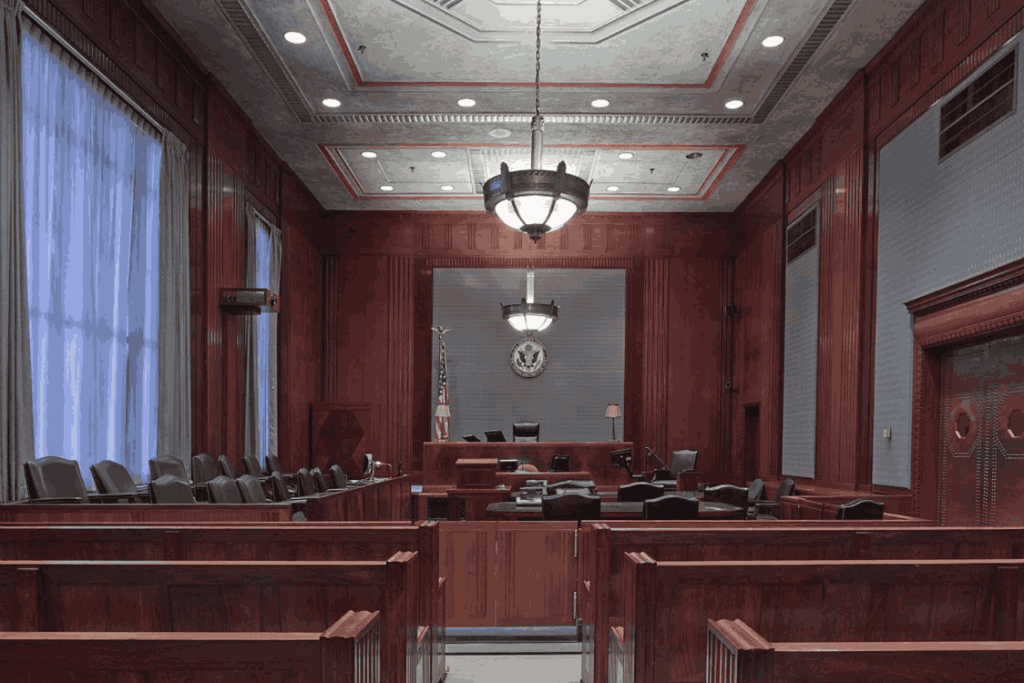
The first tier tax tribunal rules set out how hearings are conducted and how decisions are reached. Hearings provide the opportunity for both taxpayers and HMRC to present their arguments, submit evidence, and respond to questions from the tribunal. Although less formal than higher courts, hearings are structured and follow clear procedural standards to ensure fairness.
Types of Hearings
The tribunal may decide cases in one of two ways:
Paper Hearings
- Conducted entirely on written submissions without either party attending.
- Typically used for straightforward cases or when both sides agree.
- Faster and often less costly than oral hearings.
Oral Hearings
- Conducted in person (or sometimes remotely).
- Parties attend, present evidence, and make oral arguments.
- Witnesses can be cross-examined, and judges may ask questions to clarify facts.
The tribunal decides the appropriate format based on the complexity of the case, the value involved, and the preferences of the parties.
Conduct of Hearings
Although the tribunal is less formal than traditional courts, hearings follow a clear structure:
- Opening statements: Each party outlines their position.
- Presentation of evidence: Documents, witness testimony, and expert reports are introduced.
- Cross-examination: Each side can question the other’s witnesses.
- Closing submissions: Legal arguments and summaries of the case are presented.
The judge or panel ensures that the proceedings remain focused and that both parties have a fair opportunity to be heard.
Decision-Making Process
After the hearing, the tribunal deliberates and issues a written decision notice. This document will:
- State whether the appeal is allowed or dismissed.
- Explain the tribunal’s reasoning, with reference to law and evidence.
- Set out any remedies or orders, such as varying or cancelling HMRC’s decision.
The decision is binding on both parties, subject to the right of further appeal.
Publication of Decisions
Many tribunal decisions are published online to promote transparency and consistency. While sensitive information may sometimes be redacted, published decisions provide valuable guidance for future cases.
Costs in the Tribunal
As a general rule, each party bears its own costs in the first tier tax tribunal. However, the tribunal may order one party to pay the other’s costs if:
- They have acted unreasonably during proceedings.
- A specific costs regime applies (for example, in complex cases under the Tribunal Rules).
This differs from higher courts, where the losing party typically pays the winner’s costs.
For more insight into tribunal expenses and what employers might expect, take a look at our detailed analysis on Average Employment Tribunal Costs to Employer.
The hearing and decision-making process under the first tier tax tribunal rules strikes a balance between accessibility and fairness, ensuring taxpayers and HMRC can resolve disputes efficiently without excessive legal formality.
Challenging Tribunal Decisions: Appeals and Reviews
The decision of the First Tier Tribunal is not necessarily the end of the road. The first tier tax tribunal rules provide mechanisms for challenging outcomes, either through an internal review or by appealing to the Upper Tribunal. These safeguards ensure that mistakes in law can be corrected and that parties receive a fair hearing.
Internal Review and Setting Aside Decisions
In certain cases, the First Tier Tribunal itself can reconsider its decision. This usually happens if:
- There was a procedural irregularity, such as a party not being notified of a hearing.
- New evidence has come to light that could materially affect the outcome.
- There has been an obvious clerical mistake or slip in the judgment.
The tribunal may then set aside or vary its decision, ensuring fairness without requiring a full appeal.
Appeals to the Upper Tribunal
If a party believes the tribunal made an error of law, they may seek permission to appeal to the Upper Tribunal (Tax and Chancery Chamber). Common grounds include:
- Misinterpretation of tax legislation.
- Failure to apply legal precedent correctly.
- Unfairness in the conduct of proceedings.
Appeals are not rehearings of the facts but focus strictly on points of law.
Permission to Appeal
Permission must first be sought from the First Tier Tribunal itself. If refused, the party can then apply directly to the Upper Tribunal. To succeed, the applicant must demonstrate that the case involves an arguable error of law.
Upper Tribunal Powers
The Upper Tribunal has broad powers, including the ability to:
- Uphold the First Tier Tribunal’s decision.
- Overturn and replace the decision with its own ruling.
- Send the case back to the First Tier Tribunal for reconsideration.
This ensures flexibility in addressing legal errors while maintaining judicial oversight.
Importance of Legal Representation
Appeals and reviews are often highly technical. Specialist tax solicitors or barristers are usually required to prepare detailed legal arguments and identify errors of law. Without expert advice, the chances of a successful appeal are significantly reduced.
Costs and Expenses in the First Tier Tax Tribunal
Unlike many higher courts, the first tier tax tribunal rules generally operate on a “no costs” basis. This means that each party usually bears its own legal expenses, regardless of the outcome of the case. This approach is intended to make the tribunal accessible, encouraging taxpayers to challenge HMRC decisions without fear of incurring substantial costs if they lose.
General Rule on Costs
In most cases:
- Taxpayers pay their own costs, including solicitor or barrister fees.
- HMRC pays its own costs, as part of its role in administering the tax system.
This is particularly important for individual taxpayers and small businesses, who might otherwise be deterred from bringing an appeal due to the risk of adverse cost orders.
Exceptions to the No-Costs Principle
There are specific circumstances in which the tribunal may depart from this rule and order one party to pay the other’s costs. These include:
- Unreasonable Behaviour
- If a party has acted unreasonably in bringing, defending, or conducting proceedings, the tribunal can order them to pay the other party’s costs.
- Examples might include ignoring tribunal directions, pursuing hopeless arguments, or causing unnecessary delays.
- Complex Cases
- For cases formally designated as “complex” under the rules, different cost provisions apply.
- The taxpayer can choose whether to opt out of potential liability for HMRC’s costs at the outset of the case.
- Wasted Costs
- Where legal representatives act improperly or negligently, the tribunal may order them personally to pay wasted costs.
Practical Considerations for Taxpayers
While the “no costs” principle reduces risk, parties must still consider:
- Legal Fees: Even if costs are not awarded against them, taxpayers must cover their own representation.
- Time and Resources: Preparing evidence, attending hearings, and complying with directions can be time-consuming.
- Risk Management: Acting reasonably throughout proceedings minimises the chance of a costs order being made.
Tribunal’s Discretion
The first tier tax tribunal rules give judges significant discretion when making costs decisions. The guiding principle is fairness, and costs will only be awarded where justified by the conduct of the case.
By limiting cost exposure, the first tier tax tribunal rules ensure that the system remains accessible and fair. At the same time, the availability of costs orders discourages abuse of the process and promotes responsible conduct from both taxpayers and HMRC.
Practical Tips for Navigating the First Tier Tax Tribunal Rules
Understanding the first tier tax tribunal rules in theory is one thing, but applying them effectively in practice is another. Taxpayers, businesses, and advisers must be prepared to navigate procedural requirements carefully to maximise their chances of success. The following practical tips provide a roadmap for engaging with the tribunal process.
1. File Appeals Promptly
Meeting time limits is absolutely crucial. Appeals must usually be lodged within 30 days of HMRC’s decision. Taxpayers should not delay in seeking advice or preparing the notice of appeal, as late filings require special permission and may not always be granted.
2. Prepare a Clear and Structured Case
The tribunal values clarity. When drafting grounds of appeal and supporting submissions, it is important to:
- Present arguments logically.
- Avoid unnecessary technical jargon.
- Focus on the strongest points rather than raising every possible argument.
A concise and well-organised case is far more persuasive than one cluttered with irrelevant detail.
3. Comply with Case Management Directions
Failure to meet deadlines for evidence, disclosure, or witness statements can severely damage a case. Parties should treat tribunal directions as binding and seek extensions in advance if difficulties arise. Ignoring directions risks sanctions or dismissal of the appeal.
4. Gather Strong Evidence
Since the burden of proof typically rests on the taxpayer, gathering solid evidence is vital. This may include:
- Detailed records of income, expenses, and transactions.
- Expert reports where specialist knowledge is required.
- Independent witness statements supporting the taxpayer’s version of events.
The stronger the evidence, the greater the chances of persuading the tribunal.
5. Consider Alternative Dispute Resolution
Before proceeding to a full tribunal hearing, taxpayers should explore whether disputes can be resolved earlier. Options include:
- HMRC internal review: A senior HMRC officer re-examines the decision.
- ADR procedures: Mediation with a trained facilitator.
Resolving disputes outside the tribunal can save time, stress, and money.
6. Seek Professional Advice
Although the tribunal is designed to be accessible, tax disputes often involve complex legal and accounting issues. Specialist tax solicitors or barristers can help:
- Identify strong grounds of appeal.
- Draft compelling submissions.
- Present arguments effectively at hearings.
Professional guidance can make the difference between success and failure.
7. Maintain Reasonable Conduct
Since unreasonable behaviour can trigger adverse costs orders, parties should always act reasonably. This means complying with directions, engaging constructively, and avoiding unnecessary procedural disputes.
Understanding the First Tier Tax Tribunal Rules
The first tier tax tribunal rules provide the framework for resolving disputes between taxpayers and HMRC in a fair, accessible, and structured manner. By setting out clear procedures for appeals, case management, hearings, and decisions, the rules ensure that both sides have the opportunity to present their arguments effectively.
Key Takeaways
- Accessibility: The tribunal is less formal than higher courts, making it easier for individuals and small businesses to challenge HMRC decisions.
- Time Limits: Appeals must usually be filed within 30 days, and strict deadlines apply throughout proceedings.
- Case Management: Judges actively manage cases, ensuring efficiency and fairness.
- Evidence and Burden of Proof: Taxpayers typically carry the burden of proving that HMRC’s decision is wrong, making strong evidence essential.
- Hearings and Decisions: Cases may be decided on paper or at oral hearings, with written decisions issued afterward.
- Appeals and Reviews: Decisions can be challenged internally or appealed to the Upper Tribunal on points of law.
- Costs: Each party usually bears its own costs, though exceptions apply in cases of unreasonable behaviour or complex disputes.
- Practical Tips: Timely appeals, clear arguments, strong evidence, and professional advice are vital for success.
Final Thoughts
The first tier tax tribunal rules strike a careful balance between accessibility and rigour. For taxpayers, they provide a structured means of challenging HMRC, ensuring that decisions are not beyond scrutiny. For HMRC, they safeguard the integrity of the tax system by requiring disputes to be resolved in a fair and transparent way.
Tax disputes can be daunting, but with a clear understanding of the tribunal rules, careful preparation, and the right professional support, taxpayers can approach the process with confidence.